
Structured schedule
Tuesday, Wednesday, and Thursday with group and individual sessions at 5pm, 6pm, and 7pm PT — after the school day.

Virtual intensive outpatient delivers 9–12+ hours of clinical care weekly through secure video — individual therapy, groups, family sessions, and skills training without leaving home.
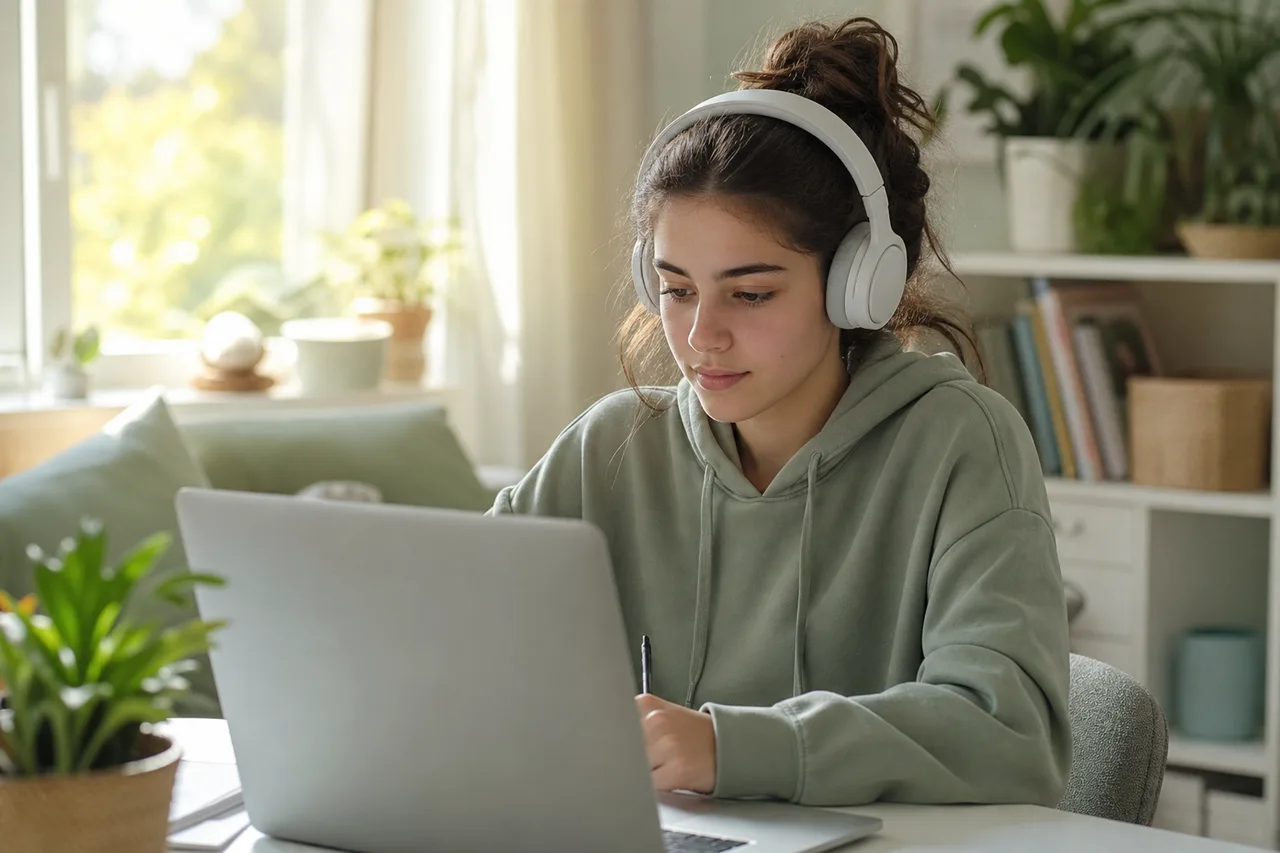
At Mental Health For Teens, virtual IOP uses HIPAA-compliant video platforms to deliver the same structured care as in-person IOP — with licensed clinicians, scheduled groups, and family involvement. Teens need a private space, reliable internet, and a device with a camera.
A typical week includes individual therapy, adolescent-focused group sessions, DBT or CBT skills groups, and family therapy. Parents receive coaching on how to support safety and skill practice between sessions.
Our team coordinates with schools when helpful, supports medication management with outside prescribers, and maintains safety plans for teens with self-harm or suicidal ideation history — with clear protocols for when in-person or emergency care is needed.
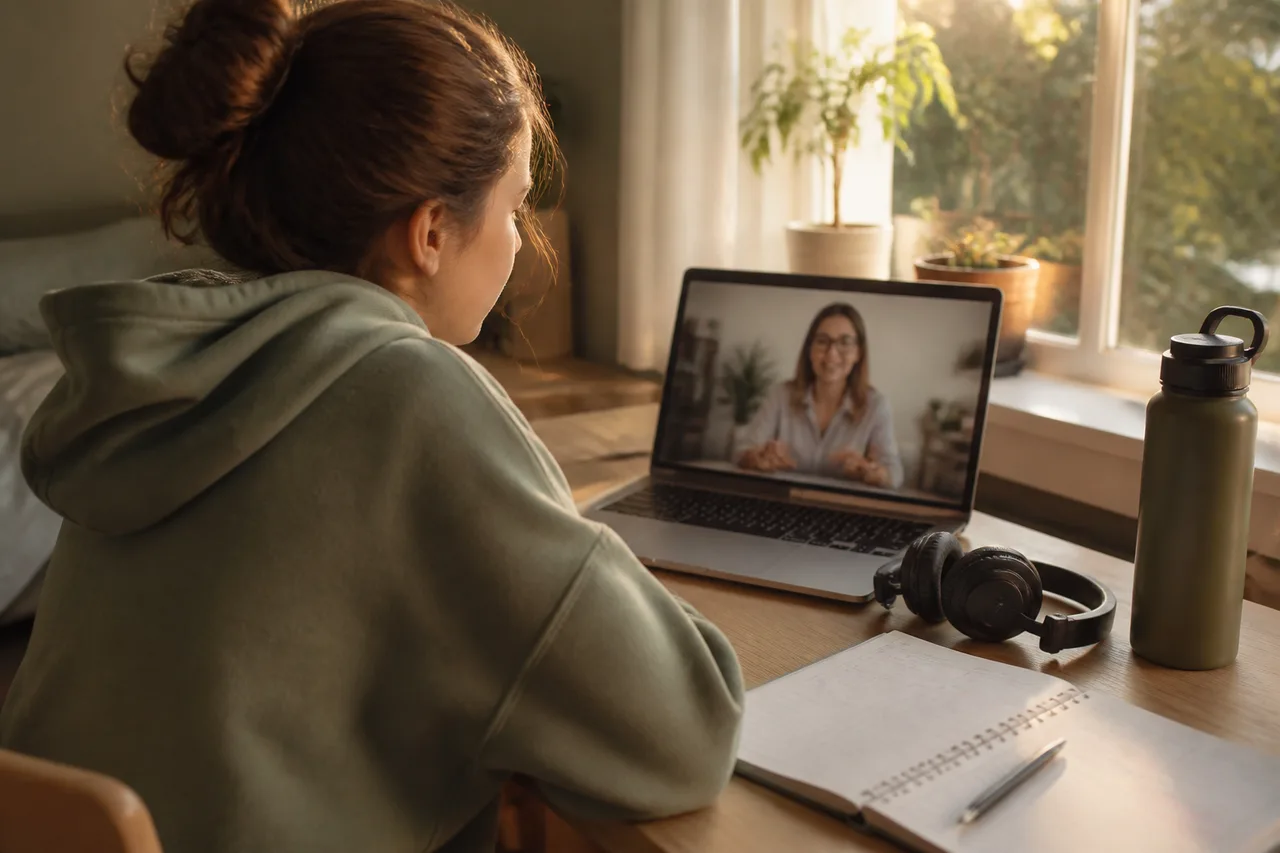
Tuesday, Wednesday, and Thursday with group and individual sessions at 5pm, 6pm, and 7pm PT — after the school day.
Real-time therapy with licensed clinicians — not pre-recorded modules or text-only coaching.
Same cohort of teens meets regularly for skills groups and process-oriented support.
Dedicated time with your teen's primary therapist to track progress and adjust the plan.
Parent sessions for communication, safety planning, and translating skills to home.
We help families create a confidential space and troubleshoot tech before day one.
We confirm device, bandwidth, and a private space where your teen can speak openly.
You receive a weekly calendar with session times, group assignments, and family session slots.
Your teen meets their individual therapist and joins an orientation group with peers.
Groups and individual work begin — with homework and between-session goals when appropriate.
Bring every question — consultations are free, confidential, and never a commitment to enroll.
A computer or tablet with camera and microphone, stable internet, and a private room. We test setup before the first clinical session.
Individual and group teen sessions are confidential. Family therapy sessions include parents by design. We share safety-related information with caregivers per policy and clinical need.
Research shows telehealth IOP can achieve comparable outcomes for many adolescents — especially when attendance is strong and families support the structure at home.
Clinicians follow safety protocols, including emergency contacts and local resource coordination. Virtual care is not for active medical emergencies — call 911 or 988 when immediate danger exists.
Still have questions? Talk to our team.
619-354-3569Book a free consultation to review schedule, insurance, and whether telehealth IOP is clinically appropriate for your teen.